
Xeriscape and Drought-Tolerant Landscaping in Bozeman, MT
Deeper Roots designs and installs water-wise xeriscape landscapes for homeowners and builders across Bozeman and the Gallatin Valley.
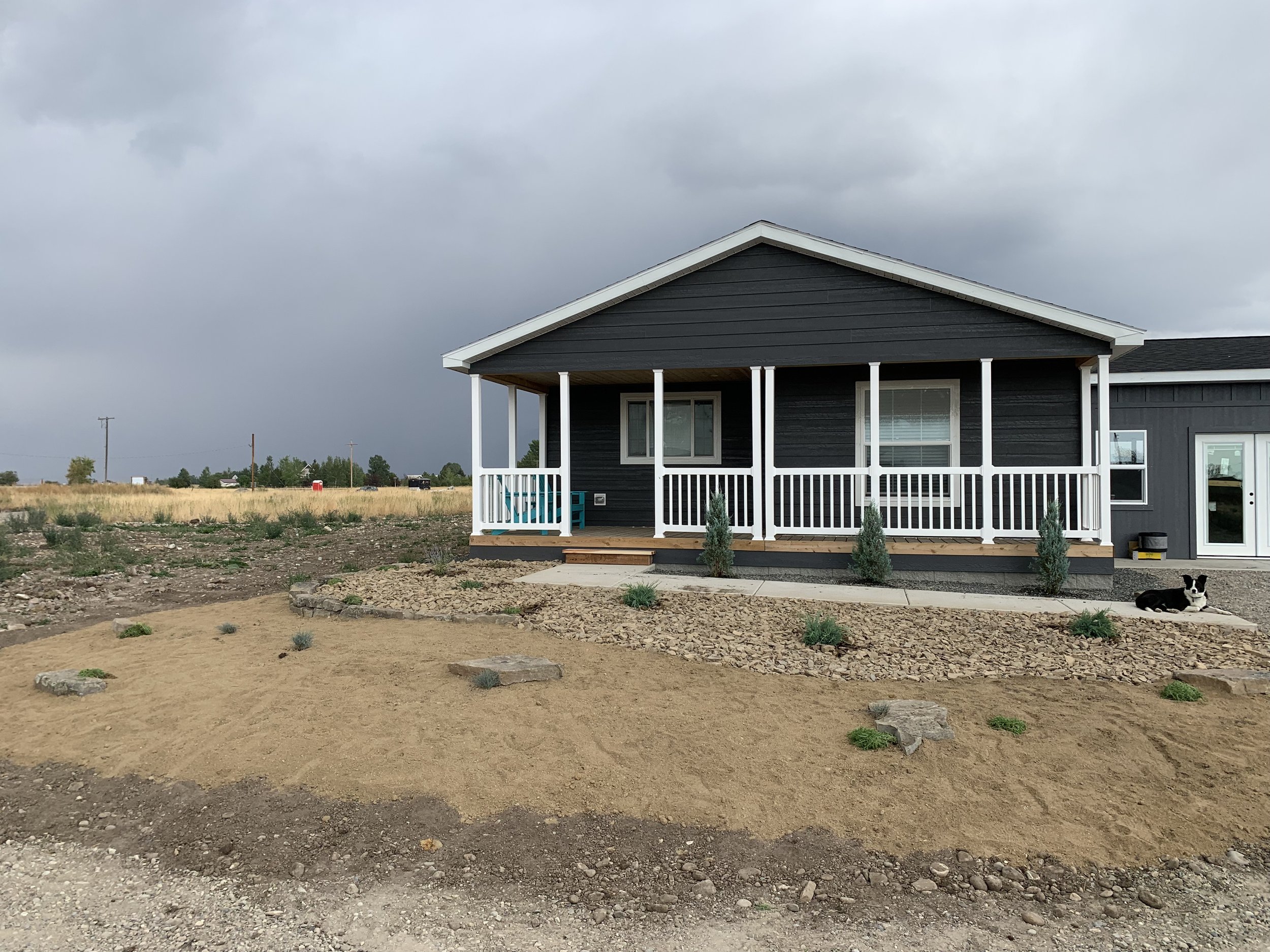
A good xeriscape doesn’t look like a yard that gave up on grass. It looks intentional, textured, and built for the place it’s in. We use native and drought-tolerant plants, efficient drip irrigation, stone, boulders, mulch, and thoughtful grading to create landscapes that use less water and still feel full, finished, and connected to the property.
Xeriscaping is especially well-suited to Bozeman’s dry summers, short growing season, and changing water demands. Done well, it can reduce lawn maintenance, lower water use, support healthier planting areas, and give your yard a more natural Montana feel.
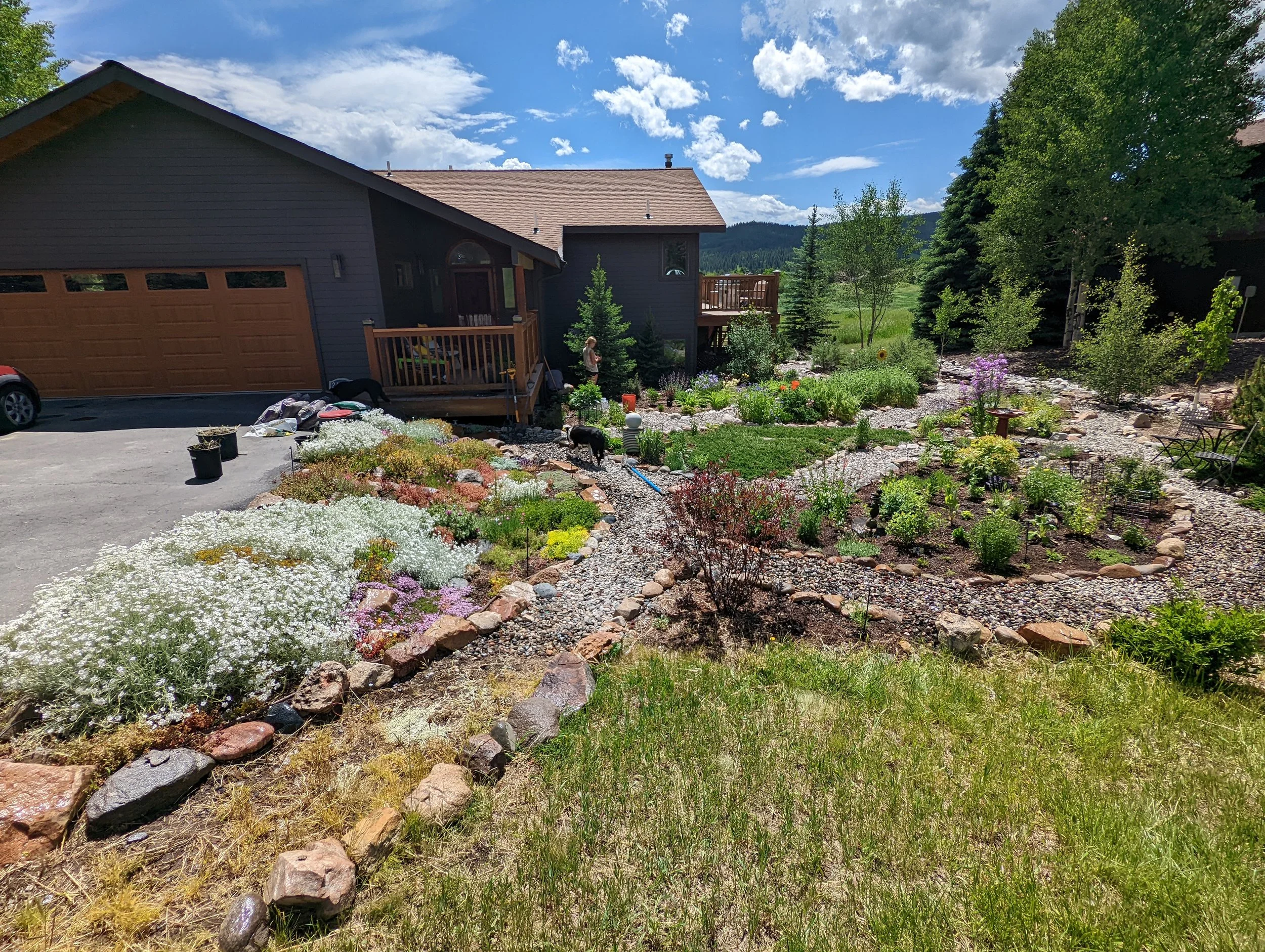
Why xeriscape in Bozeman
Bozeman is drier than many homeowners expect, especially during the months when landscapes need water most.
Instead of forcing a high-water landscape into a dry climate, it builds the yard around plants, materials, and irrigation strategies that make sense for the Gallatin Valley.
A well-designed xeriscape can help:
Reduce outdoor water use
Lower summer utility bills
Cut back on mowing and lawn maintenance
Improve long-term plant health
Create habitat for native pollinators
Make the landscape feel more connected to Montana’s natural environment
The City of Bozeman also supports water-wise landscaping through turf removal and drought-tolerant planting incentive programs, which can make xeriscape upgrades even more practical for local homeowners.
What we do
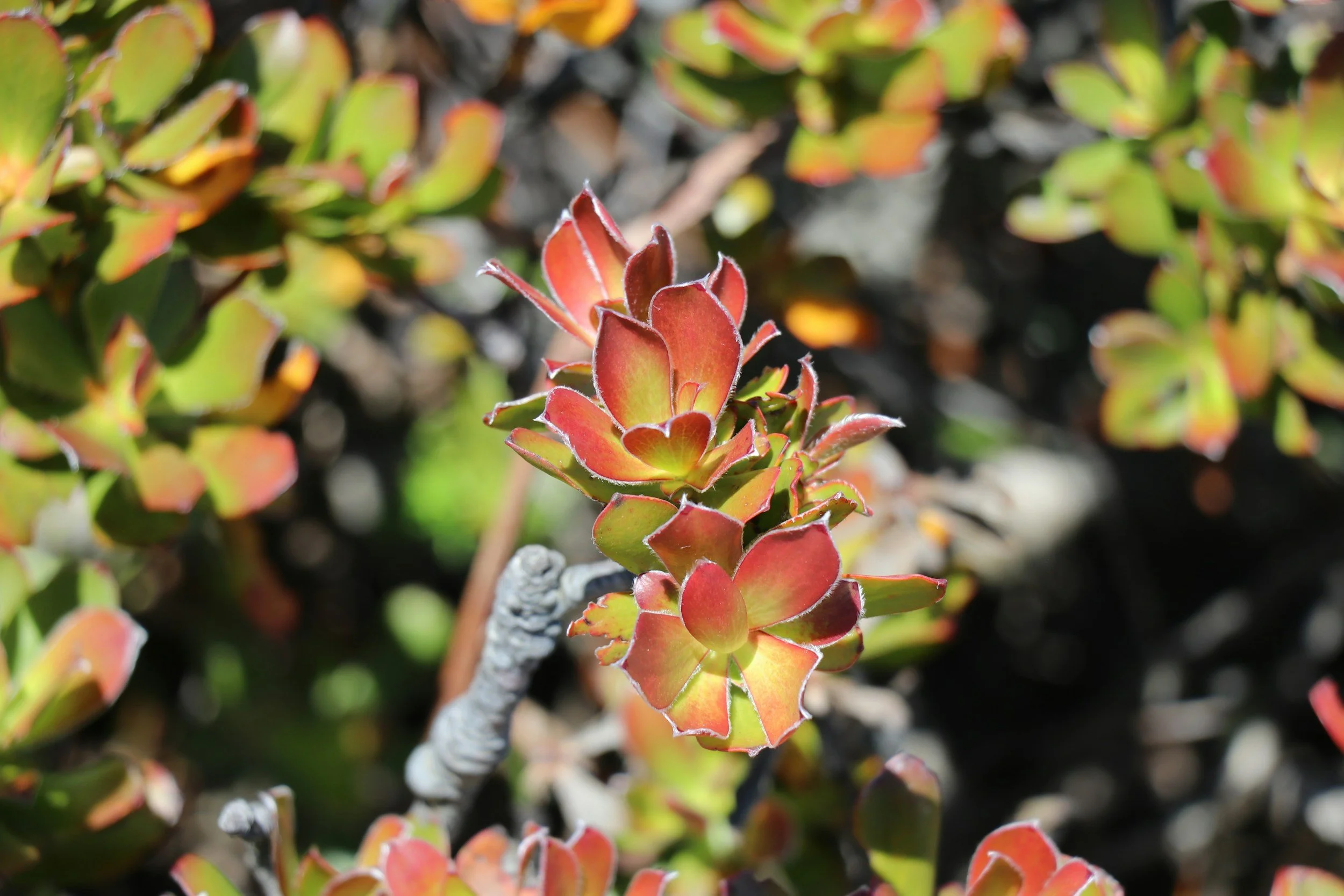
Native and drought-tolerant plant selection
The right plants make the difference between a xeriscape that thrives and one that looks thin, stressed, or unfinished.
Native and well-adapted plants tend to establish faster, need less supplemental water over time, and provide better support for pollinators and local wildlife.
We choose plants based on the real conditions of your property, including elevation, soil, sun exposure, wind, drainage, and available water. That usually means a mix of native grasses, perennials, shrubs, and drought-tolerant species that can handle Bozeman’s climate once established.
Kris’s degree in Horticulture Science from Montana State informs those decisions. Plant selection is based on what actually performs in this valley and your goals.
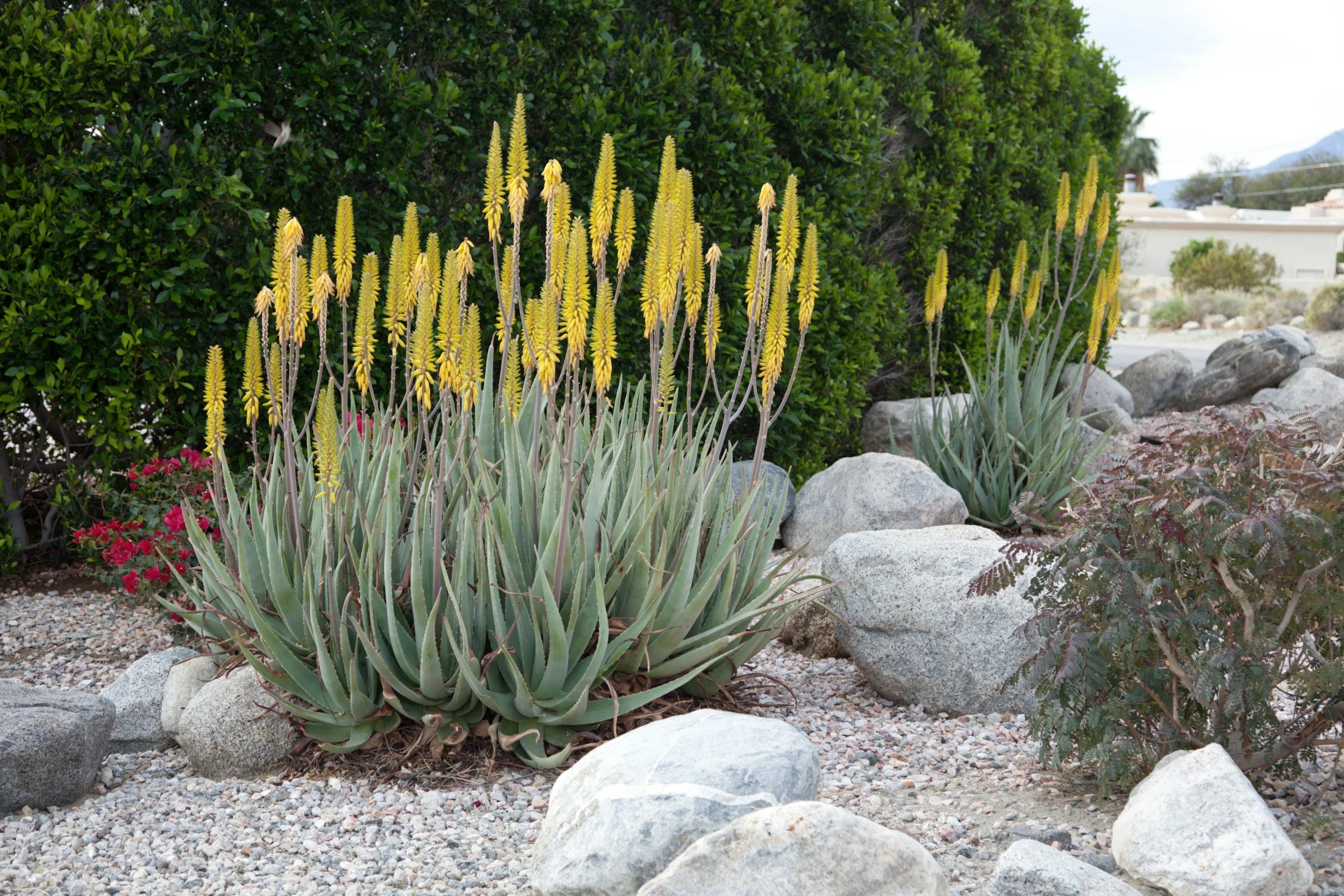
Xeriscape design that feels finished
We design xeriscape landscapes with layers, movement, and long-term growth in mind. Plants are grouped by water need. Beds are shaped around the sun, wind, slope, and drainage. Stone, mulch, boulders, and hardscape elements are used to define the space and give it weight.
The result is a yard that feels designed, not stripped down.
Our xeriscape design process starts with a site evaluation. We look at the soil, grade, sun exposure, existing irrigation, drainage, and how you want to use the space. Then we create a plan that balances water efficiency with curb appeal, usability, and long-term performance.
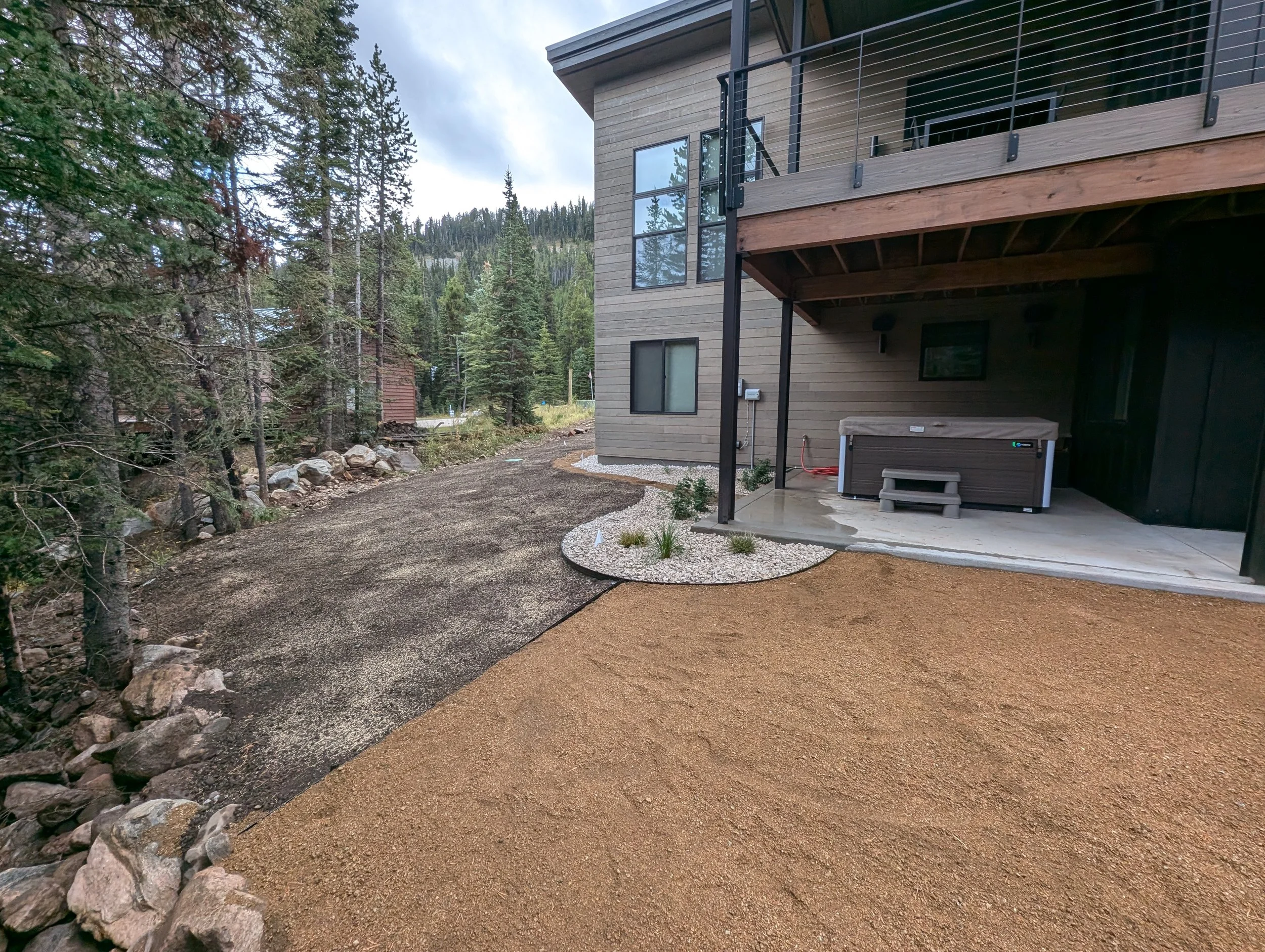
Drip irrigation for xeriscape
Most xeriscape plants need supplemental water as they become established through their first one to two growing seasons. Drip irrigation delivers water directly to root zones with minimal waste — no runoff, no overspray, and a fraction of the water use compared to traditional sprinkler heads.
We design and install drip irrigation systems as part of every xeriscape project, zoned separately from any traditional sprinkler areas on the property, so each section gets the water schedule it actually needs.

Rock, mulch, and ground cover
The materials between the plants do a lot of work.
Rock, gravel, mulch, and ground cover help suppress weeds, hold soil moisture, regulate soil temperature, manage drainage, and give the landscape a more finished look. They also help create contrast and structure, which is especially important in a xeriscape.
We use locally sourced stone and gravel where possible and select materials based on the space's needs. Bark mulch can help planting beds retain moisture. Rock mulch can add durability in high-exposure areas. Boulders and decorative stone can anchor the landscape visually without increasing water demand.

Xeriscape with hardscaping
Many of our xeriscape projects include hardscape elements like flagstone patios, stone walkways, retaining walls, and dry-stack borders that define planting areas and create usable space within a water-wise landscape. Hardscape and xeriscape are natural complements: stone reduces the total area that needs to be planted or irrigated, and it gives structure to a landscape that might otherwise feel sparse.
We design and install both as part of the same engagement, so the materials, layout, and grading work together from the start.
Xeriscaping FAQs
-
Xeriscaping is a landscaping approach that uses drought-tolerant plants, efficient irrigation, mulch, stone, and thoughtful design to reduce water use while still creating an attractive, functional outdoor space.
-
No. A good xeriscape can include native grasses, flowering perennials, shrubs, trees, mulch, boulders, pathways, patios, and drip irrigation. It should feel designed and alive, not bare.
-
Yes. Xeriscaping works well in Bozeman because the climate has dry summers, limited peak-season rainfall, cold winters, and a shorter growing season. A water-wise landscape can be easier to maintain than a turf-heavy yard.
-
Most xeriscape plants need supplemental water while they establish, especially during the first one to two growing seasons. Drip irrigation is often the best option because it delivers water directly to the root zone with less waste.
-
Yes. Front yard turf conversions are one of the most common xeriscape projects. We can replace traditional lawn with drought-tolerant planting beds, native grasses, stone, mulch, boulders, and drip irrigation.
-
Yes. We use native plants where they make sense for the site, along with drought-tolerant adaptive species that perform well in Bozeman’s climate.
Areas we serve
We work with homeowners and builders across Bozeman, Belgrade, Big Sky, Four Corners, Manhattan, Three Forks, and the greater Gallatin Valley.